Wildflower Watercolor Corner Border: A Rustic Design Asset
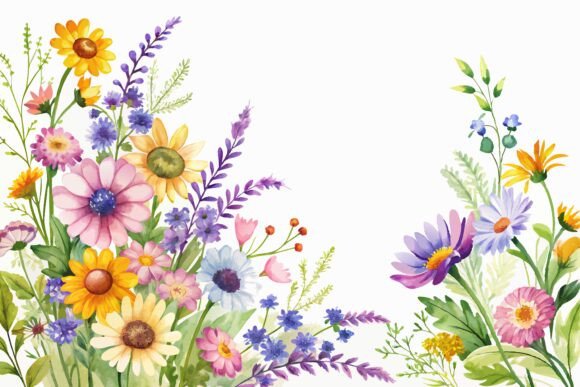
There’s something undeniably captivating about a design that feels both handcrafted and vibrant. The Wildflower Watercolor Corner Border delivers exactly that—a delicate yet lively composition of daisies, lavender, and sunflowers in soft watercolor washes, accented with sprigs of greenery. It’s the kind of element that instantly adds warmth, personality, and a touch of nature-inspired elegance to any project. Whether you’re designing a wedding invitation, crafting a brand identity, or creating social media content, this versatile border offers a beautiful, organic frame that feels both timeless and fresh.
Why This Design Resonates
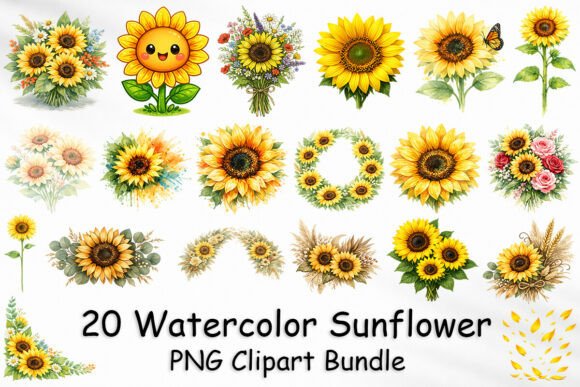
What sets this particular border apart is its balance of rustic charm and artistic sophistication. The watercolor technique gives each petal and leaf a soft, translucent quality, making the colors blend seamlessly without looking overly digital or rigid. Daisies bring a cheerful, approachable vibe, lavender adds a subtle touch of romance and calm, and sunflowers introduce bold, sunny accents that catch the eye. The light scattering of greenery ties everything together, creating a cohesive, natural look that doesn’t overwhelm the central content it surrounds.
For designers and creators, this kind of asset is a game-changer. Instead of spending hours illustrating florals from scratch, you have a ready-made, professionally crafted element that can be scaled, recolored, and integrated into a wide range of projects. The included EPS file allows for full customization in vector editing software, while the high-resolution JPG is perfect for quick layouts and digital use. This flexibility makes it a valuable addition to any creative toolkit.
Bringing Nature into Your Brand Identity
In a crowded marketplace, visual storytelling helps brands stand out. Incorporating elements like the Wildflower Watercolor Corner Border can infuse a brand with a sense of authenticity, warmth, and connection to nature. Imagine this border framing a business card for a florist, a café menu, or a boutique skincare line. It immediately communicates care, attention to detail, and a handcrafted aesthetic that resonates with customers seeking genuine, artisanal products.
For small business owners, consistency is key. Using the same floral motif across packaging, website headers, and social media graphics builds a recognizable visual language. The corner border format is particularly useful because it adds decorative flair without competing with logos or product images. It works beautifully as a subtle frame on a website’s “About Us” page, as a delicate header for email newsletters, or as an elegant touch on product labels.
Practical Applications Across Projects
The versatility of a design asset like this is one of its greatest strengths. Here’s how it can be applied in various creative contexts:
- Invitations and Stationery: Perfect for wedding suites, bridal showers, baby announcements, or event invitations. The rustic floral style suits garden parties, outdoor ceremonies, and bohemian-themed celebrations.
- Digital Content: Use it to frame blog post graphics, Pinterest pins, or Instagram stories. The watercolor texture adds visual interest and a professional polish that can increase engagement.
- Packaging and Merchandise: Wrap it around product boxes, tote bags, or stickers for a cohesive, nature-inspired look that appeals to eco-conscious and style-savvy consumers.
- Editorial and Print Layouts: Add it as a decorative element in magazines, lookbooks, or posters to break up text-heavy sections and guide the reader’s eye.
- Marketing Collateral: Enhance flyers, brochures, or discount cards with a floral touch that makes materials feel more premium and memorable.
Because the design includes both editable vector and raster files, it adapts easily to different media. The EPS file is ideal for scaling without loss of quality—great for large-format prints—while the JPG works seamlessly for digital platforms.
Design Tips for Seamless Integration
When incorporating decorative elements like this border, a thoughtful approach ensures they enhance rather than clutter your design. Here are a few practical suggestions:
- Mind the Color Palette: While the border’s watercolor shades are vibrant, they can be adjusted in editing software to match your brand’s color scheme. Consider desaturating or tinting the florals for a more subdued, elegant feel.
- Balance with Typography: Pair the border with clean, simple typefaces—such as a modern sans serif or a delicate script—to maintain readability. Avoid overly ornate fonts that might compete with the floral details.
- Use Negative Space Wisely: The corner format naturally leaves ample space for text or imagery. Use this to your advantage by placing key content in the open area, letting the border act as a graceful frame.
- Test Different Sizes: Experiment with scaling the border to see how it looks as a subtle accent versus a more prominent feature. Sometimes a smaller, more minimal use feels more sophisticated.
Remember, the goal is to create harmony between the decorative elements and the core message of your design. The wildflower border should support your content, not overshadow it.
Final Thoughts on Creative Flexibility
Ultimately, the Wildflower Watercolor Corner Border is more than just a pretty decoration—it’s a versatile design asset that can elevate projects across industries. Its blend of rustic charm and artistic fluidity makes it suitable for both personal and commercial use, from indie brand packaging to digital marketing campaigns. By thoughtfully integrating this border into your work, you can add a layer of natural beauty and professional polish that resonates with audiences and strengthens your visual storytelling.
Whether you’re a designer looking to save time, a small business owner building a brand, or a crafter seeking that perfect finishing touch, assets like this offer both practical utility and creative inspiration. They remind us that great design often lies in the details—the gentle curve of a petal, the soft wash of color, the organic feel of nature captured in a digital frame.