Timeless Elegance: Using Lace Pattern Elements in Modern Design
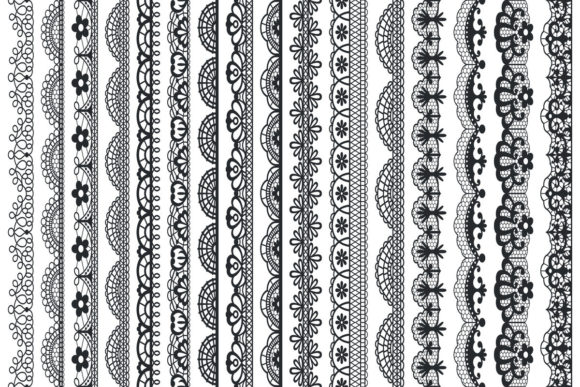
There’s something about lace that instantly evokes a sense of delicacy, tradition, and intricate beauty. It’s a texture that has adorned everything from heirloom wedding gowns to vintage curtains, carrying with it a story of craftsmanship. In the digital design world, capturing that authentic, woven feel can be a challenge. This is where a specialized collection of Lace Pattern Elements becomes an invaluable asset. This particular set offers a curated choice of seamlessly woven decorative strips, perfect for injecting a dose of romance, vintage charm, or sophisticated detail into a wide array of creative projects. Delivered as an EPS10 file with a high-resolution JPEG preview, it provides the flexibility and quality needed for both digital and print applications.
More Than Just a Pretty Trim
At first glance, you might think of lace patterns as purely ornamental, suitable only for wedding invitations or feminine branding. While they excel there, their utility is far broader. The visual language of lace—its repetition, its delicate negative space, its sense of handcrafted quality—communicates specific values. It suggests care, attention to detail, elegance, and a touch of nostalgia. For a small business owner, incorporating these elements into a brand identity can subtly convey a commitment to quality and artisanal processes. For a content creator, using them as borders or dividers in social media graphics or blog posts can elevate the entire aesthetic, making content feel more polished and intentional.
Think about a boutique bakery wanting to highlight its hand-decorated cakes. A lace pattern bordering its menu or Instagram post doesn’t just look nice; it reinforces the brand’s promise of delicate, detailed artistry. Similarly, a stationery brand could use these seamless strips as the foundational design on notebook covers or planner inserts, instantly creating a product that feels luxurious and thoughtfully designed. The pattern works as a visual shorthand for a certain kind of quality.
Practical Applications Across Your Projects
The true power of a versatile design asset like this lies in its adaptability. Here’s how you can integrate these lace pattern elements into your workflow:
- Brand Identity & Logo Design: Use a simplified or adapted section of the lace pattern as a subtle background texture for business cards, letterheads, or even as a foundational shape within a logo mark for brands in the beauty, fashion, or artisanal food space.
- Packaging Design: This is a standout use. Imagine a lace pattern wrapping around a candle box, forming the label on a jar of specialty jam, or bordering the sleeve of a soap package. It adds a tactile, premium feel that justifies a higher perceived value.
- Editorial & Print Layouts: For magazines, lookbooks, or brochures, these strips can act as elegant dividers between sections, frame pull quotes, or add decorative headers to pages, enhancing the overall reader experience.
- Digital Presence: On websites and blogs, use the pattern as a subtle header background, a footer decoration, or an ornamental element around featured images. For social media, they make perfect borders for Instagram Stories, quote graphics, or promotional banners, ensuring a consistent and recognizable visual style.
- Merchandise & Marketing Assets: From tote bags and t-shirts to posters and promotional flyers, applying a lace pattern can transform a standard item into something special. It’s also fantastic for creating cohesive marketing materials like email newsletter headers or event posters.
Achieving Professional Results with Pattern Elements
Using decorative elements effectively is a skill. To ensure your lace patterns enhance rather than clutter your work, keep these principles in mind:
Context is Key. Match the style of the lace to your project’s personality. A very intricate, floral lace might suit a romantic wedding theme, while a more geometric or abstract lace pattern could work for a modern brand with vintage undertones. Always consider your target audience and the message you want to send.
Mastery of Scale and Color. Don’t be afraid to experiment. A lace pattern can be used at its full scale as a bold border, or scaled down and tiled to create a subtle, all-over texture. Changing the color is also transformative. A classic white or ivory lace feels traditional, while a black lace pattern on a white background becomes graphic and bold. Recoloring it to match your brand palette ensures seamless integration.
Pairing for Impact. Lace patterns are inherently detailed. To maintain readability and visual balance, pair them with simpler, cleaner elements. Use a solid, complementary color for backgrounds. Choose typography that is clear and easy to read—a clean sans-serif or a simple serif font often works best to contrast with the ornate pattern. This creates a hierarchy where the lace accentuates rather than competes with your core message.
Respecting the Asset. Since this collection provides vector (EPS10) files, you have immense control. You can ungroup elements, modify individual paths, combine strips, or isolate specific motifs. This flexibility is crucial for creating unique compositions tailored exactly to your needs. Always review the included files and understand their structure before diving into a project.
Integrating Lace into a Cohesive Design System
For any serious project, especially in branding, consistency is non-negotiable. If you decide to use a lace pattern element, document its use. Define where and how it will appear—perhaps only as a footer on documents, or consistently as a border on all product photography. This prevents the design from feeling random or overdone. The goal is to use the pattern as a recognizable signature, not a ubiquitous decoration.
Furthermore, always consider the practicalities of commercial licensing. Ensure the license of any design asset you purchase allows for your intended use, whether it’s for a client project, merchandise for sale, or digital products. This due diligence protects you and your business legally and ethically.
In the end, a well-chosen set of Lace Pattern Elements is more than just a decorative clipart bundle. It’s a tool for storytelling. It allows designers, entrepreneurs, and creators to weave a narrative of elegance, craftsmanship, and timeless beauty into their work, connecting with audiences on a visual and emotional level that plain graphics simply cannot achieve. By applying these patterns thoughtfully and strategically, you can elevate your projects from ordinary to extraordinary, creating memorable designs that truly resonate.